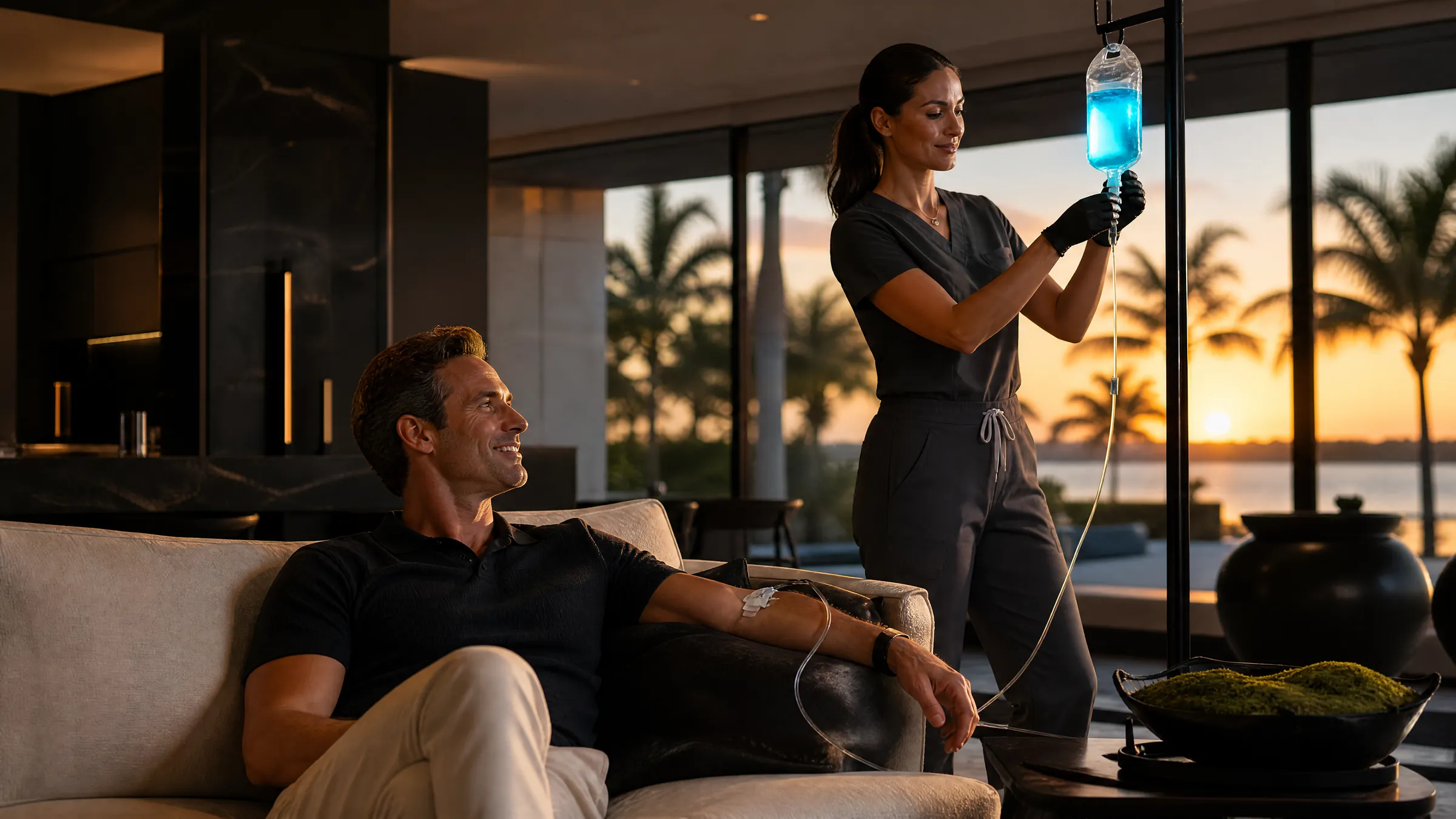
3:10 PM, an office in West Palm Beach. A paralegal we'll call Dana, 33, is experiencing the daily mystery: shaky, foggy, vaguely furious at a printer that did nothing wrong. She runs her standard diagnostic — "I'm hungry? No... tired? I had coffee... maybe I'm getting sick?" — and treats it the standard way: vending machine M&Ms and a third coffee. By 4:00 she's worse, which she files under Mondays.
Dana is misdiagnosing herself daily, because the 3 PM slump has two common culprits that feel nearly identical and demand opposite fixes. The five-minute differential.
The two suspects
Suspect one: the sugar crash. The carb-heavy lunch (Dana's daily panini-and-sweet-tea) spikes blood glucose; insulin overcorrects; the dip lands 2–3 hours later — right on the 3 PM mark — starving the brain's glucose supply. Signature: sudden onset, genuine shakiness, irrational hunger, irritability with a hair trigger (the printer never stood a chance). Suspect two: dehydration. The day's fluid deficit — coffee-heavy morning, Florida's standing tax, a water bottle used as desk decor — peaks mid-afternoon, reducing blood volume and brain perfusion. Signature: gradual build, headache prominent, dark urine, heavy-fog fatigue more than shakiness. The brain reports both shortages with the same alarm panel — fog, fatigue, irritability — which is the entire diagnostic problem, and the source of the great treatment loop: candy thrown at dehydration (useless), coffee thrown at sugar crashes (a diuretic on the wrong fire, worsening suspect two).
Same alarm panel, different fires. The M&M-and-coffee protocol treats neither and feeds both.
The five-minute differential
The cheap test, runnable at any desk: a protein-ish snack plus 16oz of water with electrolytes, then observe. Symptoms visibly lifting within 20 minutes, hunger-first → the sugar crash was your culprit; improvement arriving gradually over the hour, headache-first → dehydration; partial response to both → welcome to the most common answer, both — the carb lunch and the fluid deficit peak at the same hour by design of the standard office day. Supporting evidence for the file: urine color (dark = suspect two), the lunch autopsy (what did you actually eat?), and the timing math (2–3 hours post-meal is glucose territory; late-afternoon-always is fluid territory).
Closing the case permanently
The prevention architecture beats the daily investigation: protein-forward lunches flatten the glucose arc (the panini betrayed Dana daily); the scheduled water habit with electrolytes kills the deficit peak; caffeine embargo at noon — the third coffee was always evidence-tampering; and a real afternoon snack window for the days the arc dips anyway. For the chronically both-culprits profile — the depleted-baseline crowd this blog maps — the Energy Boost's combined restoration (full hydration plus the B-vitamin payroll) resets the floor the daily fixes defend. Dana's protocol: chicken-salad lunches, a marked bottle, noon embargo, monthly session. Her printer, she reports, "has been fully exonerated."
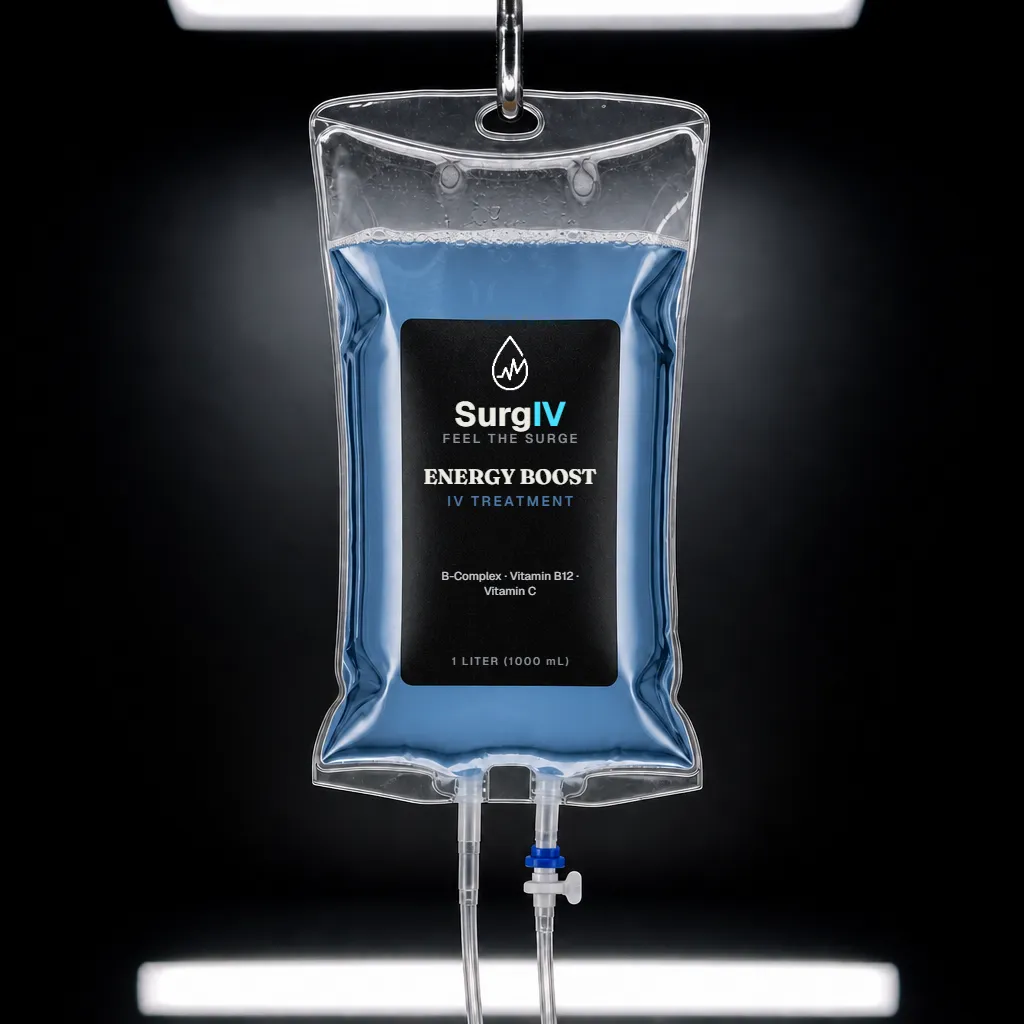
When it's both (it's often both)
Energy Boost $249
Hydration plus B vitamins — the double-culprit fix in one session.
B-Complex · Vitamin B12 · Vitamin C
Case closed
The 3 PM mystery was never mysterious — it was two well-documented suspects exploiting an identical alarm panel and a victim armed with M&Ms. Run the differential once, build the architecture, and the 3 PM hour returns to being just an hour. The printer thanks you in advance.
This article is for general education and is not medical advice. IV therapy at SurgIV is administered by registered nurses under physician-written protocols, with a health screening before your first visit. Talk to your doctor about what is right for you.