
6:50 AM, a bathroom in Palm Beach Gardens, day three of a heat wave. A man we'll call Ray, 47, landscaper-turned-project-manager who still walks his sites, glances down mid-morning-routine and freezes. Amber. Like, iced-tea adjacent. Ray does what every man his age does: nothing, for two days, while quietly cataloguing symptoms at 2 AM. Day three, he finally types the search — "dark urine what does it mean" — braced for the internet to hand him a diagnosis with a wing named after it. The real answer is usually far more boring, and the boring version is worth knowing cold.
The report, explained
Urine color is concentration made visible: your kidneys are constantly deciding how much water to spend flushing waste, and the pigment urochrome dilutes accordingly. Pale straw = well-funded operation. Deep amber = the kidneys are running austerity — conserving water because intake isn't covering losses. In a Florida summer, on a man who walks job sites, amber at 6:50 AM is rarely a mystery: it's the standard heat-deficit report, filed in color, several times daily, free of charge. Confirm it the way clinicians do — look for the rest of the crew: thirst, dry mouth, the afternoon headache, fatigue, fewer bathroom trips. Deficit signals travel in groups.
Your body publishes a hydration report several times a day. Most people flush it unread for forty years.
The impostors and the red flags
Before the deficit verdict, clear the innocent suspects: B vitamins turn urine highlighter-neon (the multivitamin glow — harmless, famous, and the single most common false alarm); beets and blackberries rent it pink; rhubarb and some medications add brown tints. Color that arrived with a new supplement or last night's dinner usually leaves with them. Then the other direction — the shades this article exists to route correctly: cola or tea-brown (possible liver, blood-breakdown, or muscle-injury causes), red with no beet alibi, persistent foam, or dark urine traveling with fever, flank pain, or yellowing eyes. Those are doctor-and-labs, promptly — not hydration content, not a wellness booking, and no reputable mobile nurse would treat them as one.
Fixing the ordinary version
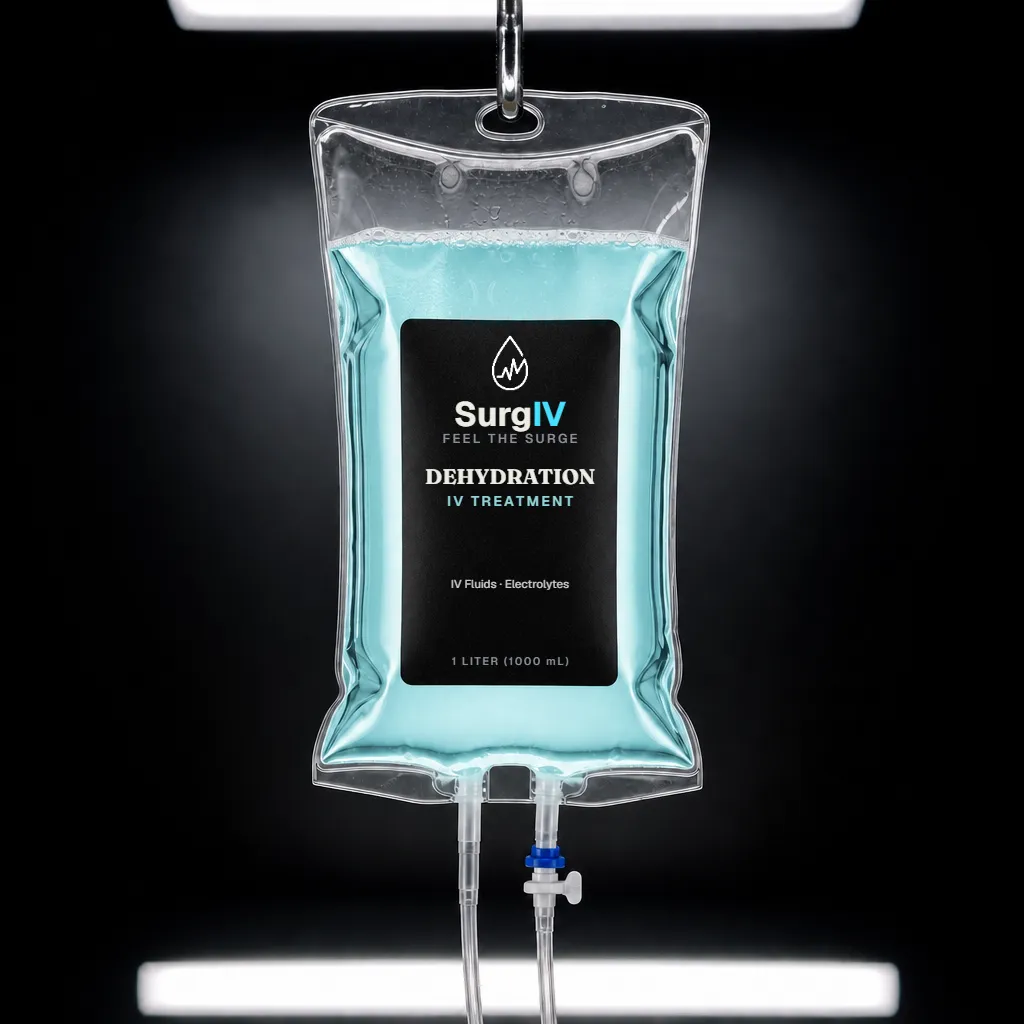
For the common case — amber plus the thirst crew, in heat, with an obvious sweat story — the fix is the standard ladder: water plus electrolytes through the day (the fast-rehydration protocol), salted food, and a watch on tomorrow's report. When the deficit is deep — days of accumulation, the outdoor-work compounding, or a gut that won't cooperate — a liter delivered intravenously settles in one sitting what sipping would take a day to repay, and the morning report goes back to straw.
When the chart stays dark
Dehydration $199
A liter of fluids and electrolytes — the fastest way back to pale yellow.
IV Fluids · Electrolytes
Ray, reading fluent
His was the boring version — three site-walk days, one water bottle, case closed by Thursday via electrolytes and one booked liter. But Ray kept the skill: he now glances at the report like he checks the fuel gauge, and taught both teenage sons the scale with characteristic delicacy: "Straw, fine. Amber, drink. Cola, doctor, today, no negotiating." Three shades, whole system. The body was publishing all along — Ray just started reading.
This article is for general education and is not medical advice. IV therapy at SurgIV is administered by registered nurses under physician-written protocols, with a health screening before your first visit. Talk to your doctor about what is right for you.