9:30 PM, a home gym in Delray. A woman we'll call Monique, 47, stands in front of a red light panel the size of a door — $1,200, wall-mounted, glowing like a science-fiction sunset — wearing the specific expression of someone reading their credit card statement in their head. Ten minutes a night for four months. Her skin: maybe better? Her energy: unchanged, and that was the actual purchase order. Her text to her sister, sent bathed in crimson: "Am I charging myself or just standing in front of an expensive lamp?"
What the lamp really does
Fair answer first, because the mechanism is legitimate: photobiomodulation is real biology. Red and near-infrared wavelengths are absorbed by mitochondrial enzymes — cytochrome c oxidase, mainly — and can modestly improve cellular energy production. The credible wins cluster in skin health, wound healing, and some soreness endpoints; that's why dermatologists use it and why Monique's skin might genuinely be answering. But the panel is a signal — a request to existing machinery to run somewhat better. Dose matters brutally (wavelength, power density, distance — many consumer panels deliver a fraction of the studied doses), and above all: a signal cannot compensate for missing materials. Monique bought a request. Her energy problem might be a supply problem.
Red light asks the factory to run faster. It cannot restock the warehouse. Nothing made of photons can.
The supply side of the ledger
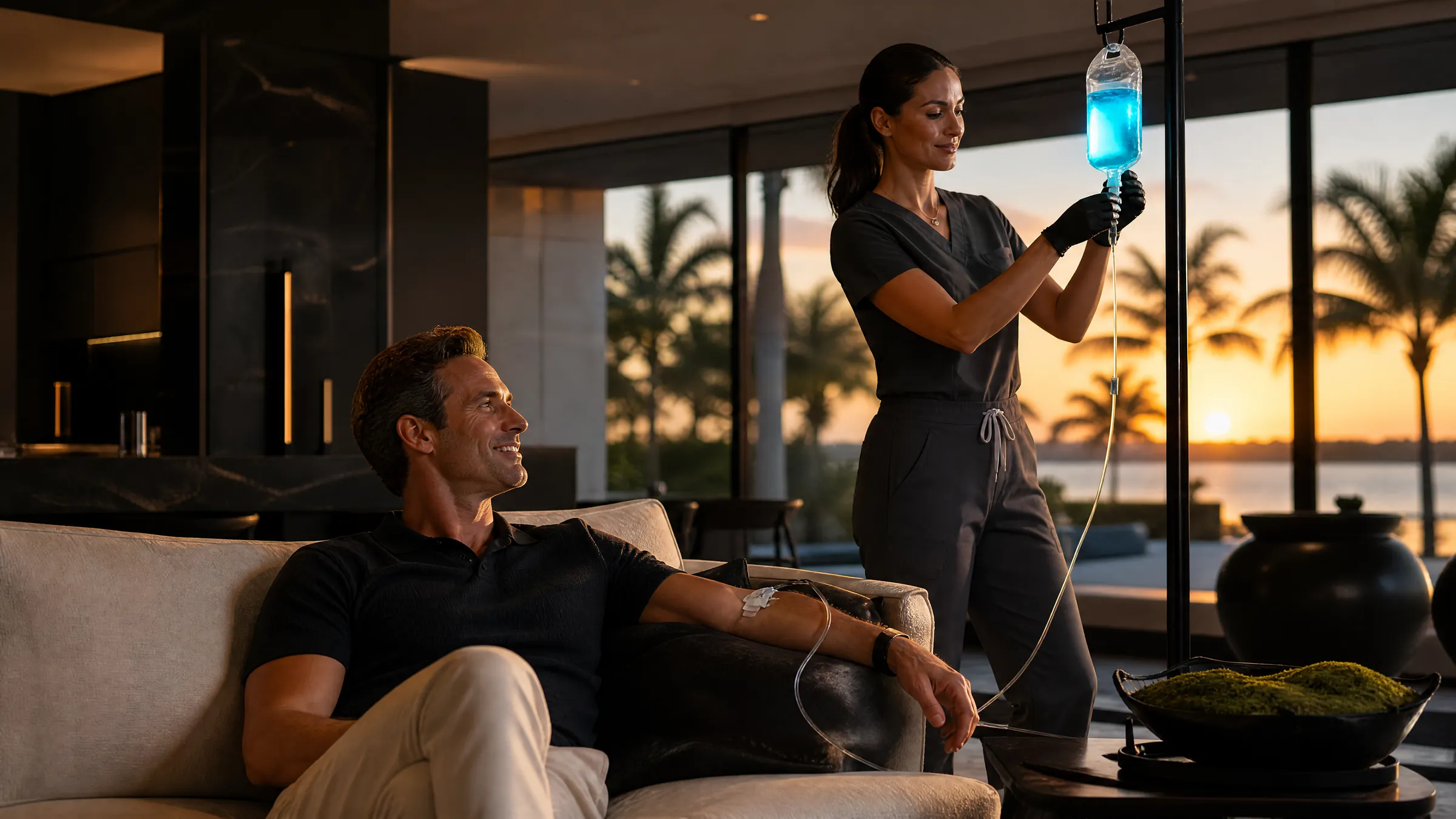
This is where the IV sits — not as the lamp's rival but as the other half of a sentence: hydration, electrolytes, the B vitamins that energy metabolism literally runs on, and — for the energy-specific complaint — NAD⁺, the substrate those glowing mitochondria consume in every cycle. If the tank is depleted (heat, age-related NAD⁺ decline, months of running hot), no signal tuning moves the needle, because the deficit is in the materials, not the instructions. The rational order for anyone building a stack: supply first, signal second — fix the cheap, high-certainty layer (hydration, nutrients, sleep), then let light therapy chase marginal gains on a full tank rather than headline gains on an empty one.
Keeping both honest
Same skepticism, both directions: red light panels claiming fat loss and hormone surges from ten-minute exposures have outrun their evidence — and IV marketing claiming to cure diseases has outrun its. The defensible stack is modest and mechanistic: light for skin and soreness at proper doses, the drip for genuine depletion and NAD⁺ supply, the full stack rundown for how the rest of the toolbox fits. No single glowing object was ever going to be the whole answer. Supply, signal, sleep — in that order.
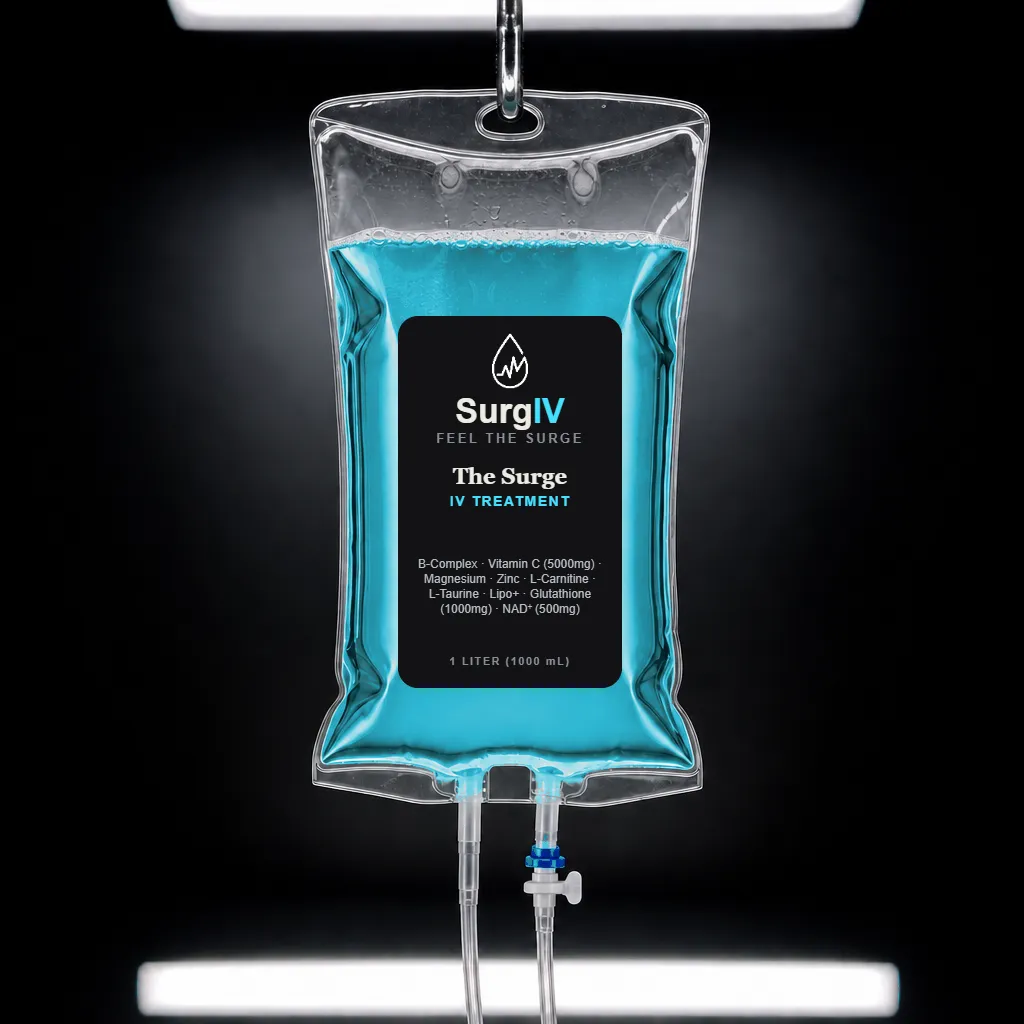
The supply side
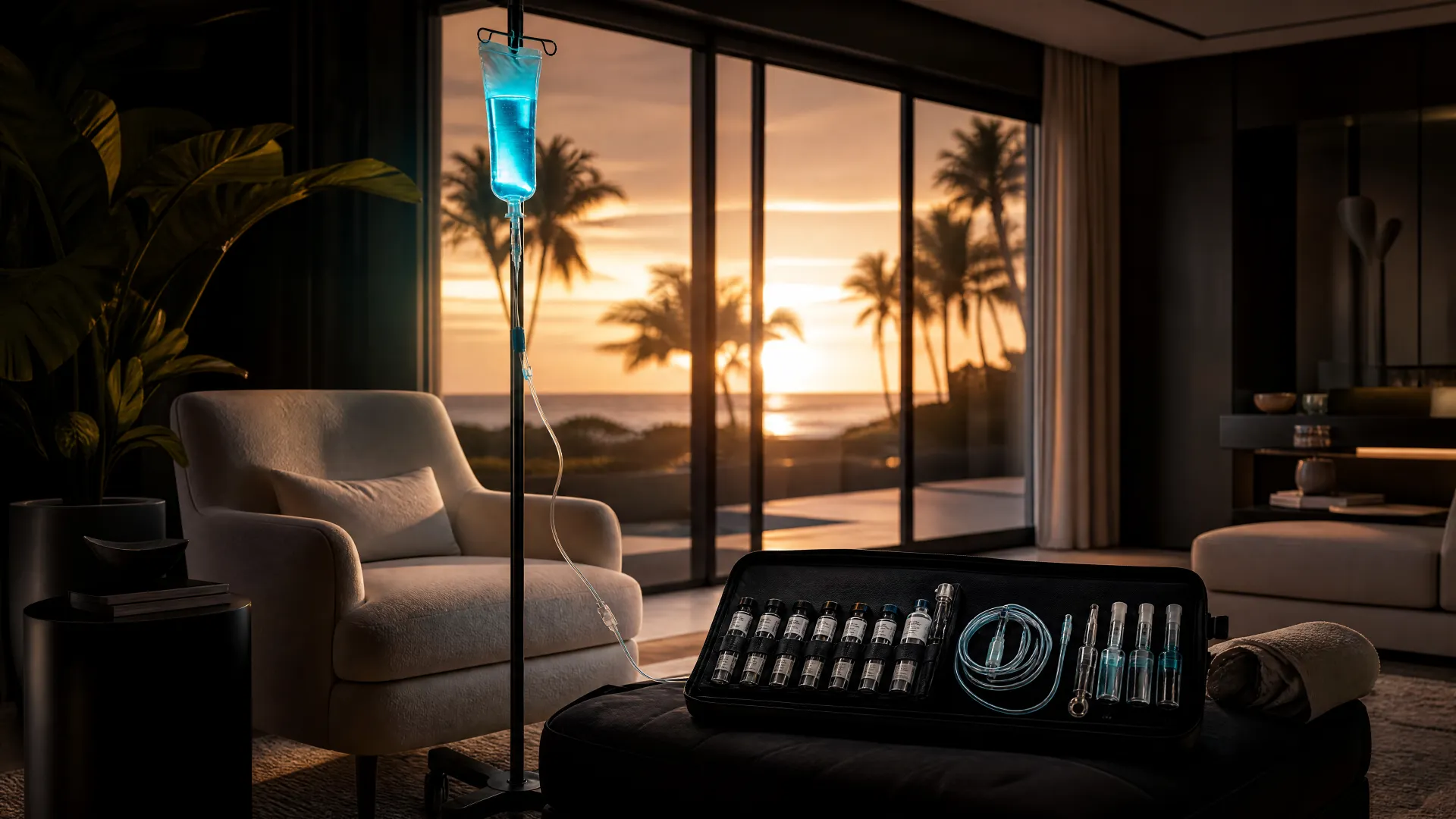
The Surge $899
Red light asks your mitochondria to work. The Surge sends them materials.
IV Bag: B-Complex · Vitamin C (5000mg) · Zinc · Magnesium · L-Carnitine · L-Taurine · Lipo+ + more
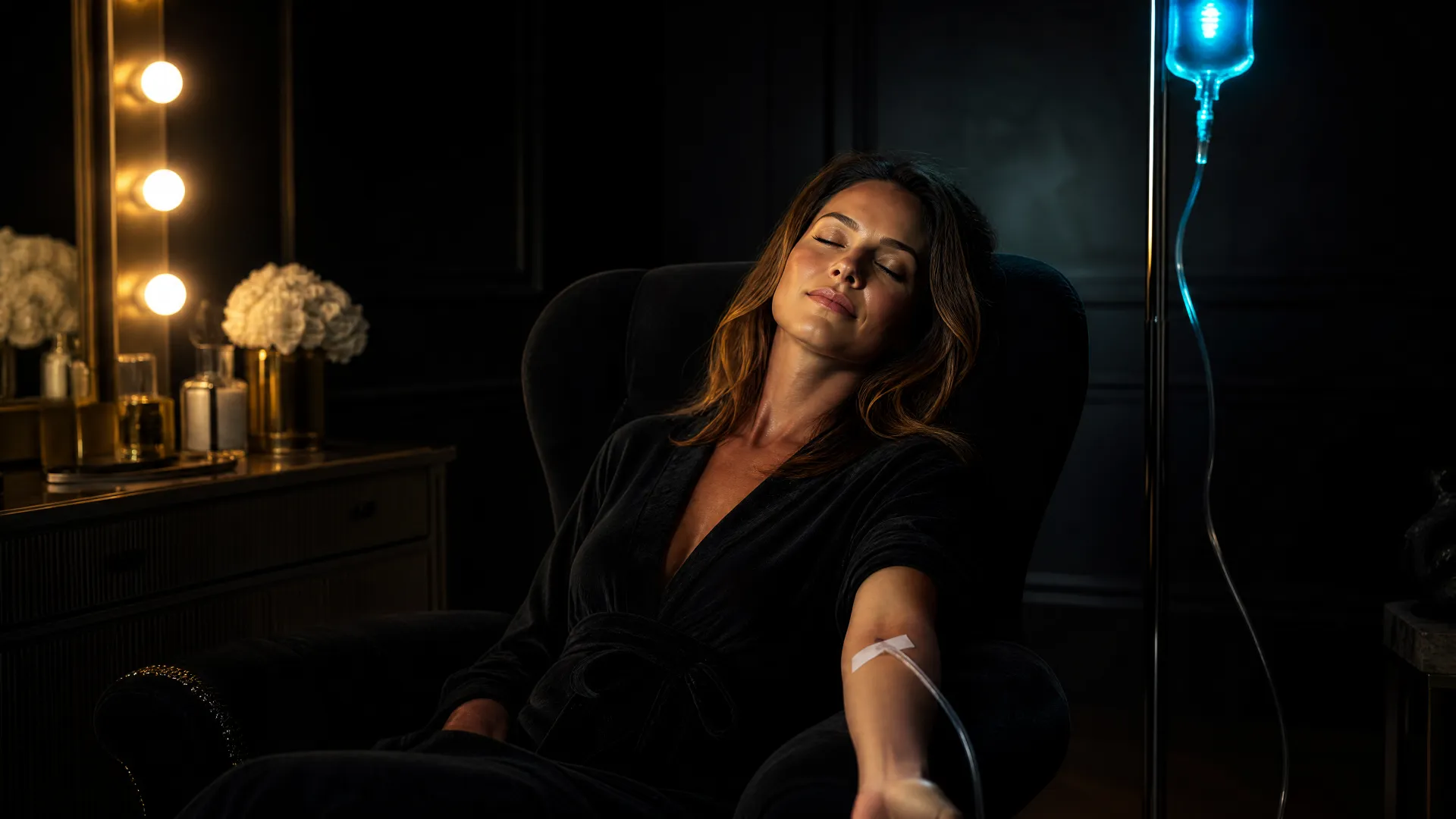
Monique, tank refilled
She kept the panel — the skin results were real enough to stay — and added a monthly Surge for the half of the problem photons can't ship. Six weeks later, the sister text, sent from in front of the crimson door: "Turns out the lamp was fine. It was asking a tired factory to hustle. Restocked the factory. NOW the lamp has something to work with." Signal and supply. The sentence needs both halves.
This article is for general education and is not medical advice. IV therapy at SurgIV is administered by registered nurses under physician-written protocols, with a health screening before your first visit. Talk to your doctor about what is right for you.