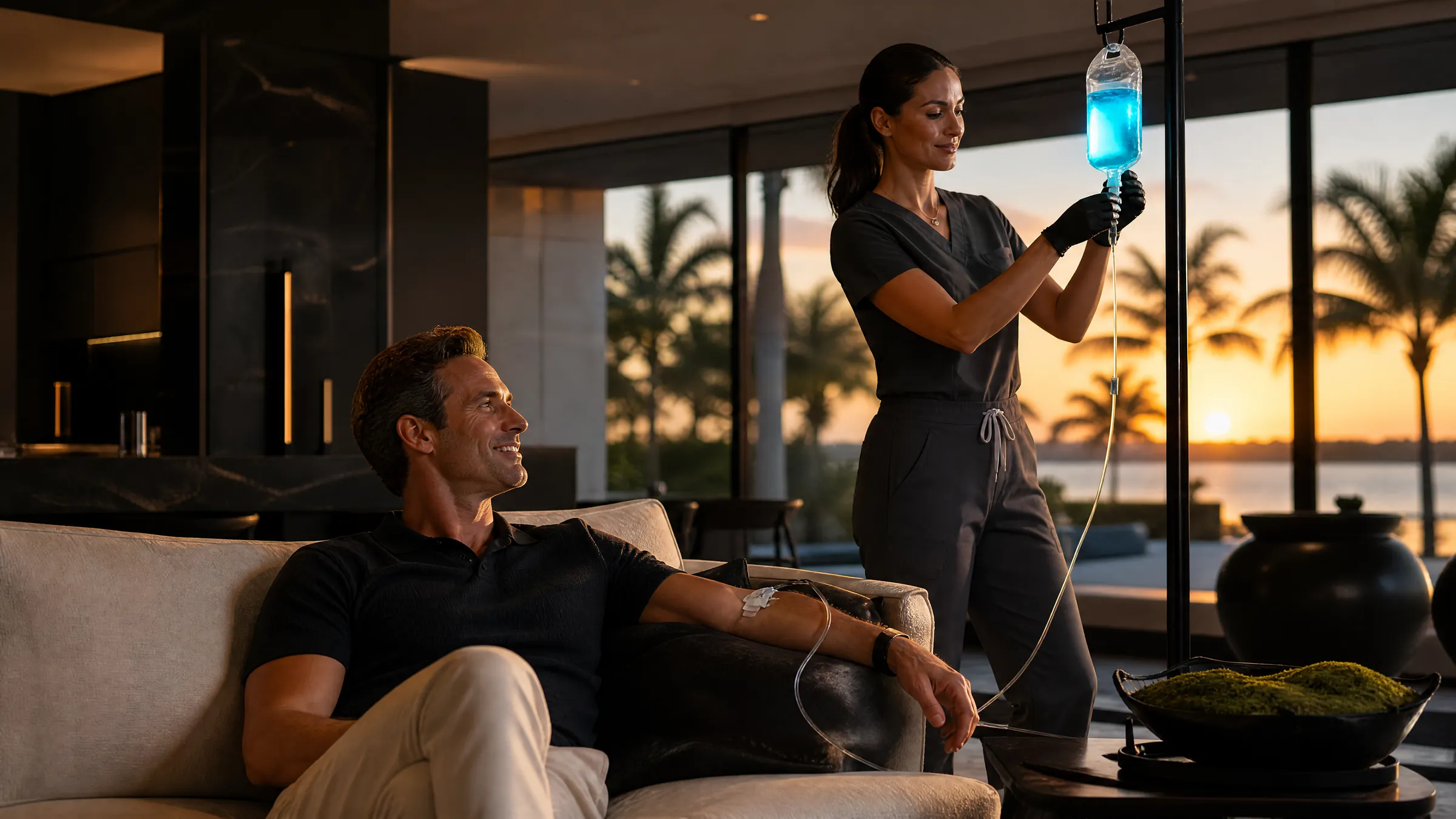
9:12 PM, a bedroom in Royal Palm. A man we'll call Devon, 33, gym regular, tattooed from shoulder to elbow — a detail that will matter in a moment — has typed a search he would not read aloud at the gym: "how big is iv needle actually." The mind's-eye needle he's picturing has been assembled from ER dramas and one traumatic vaccination in 1999: something silver, something long, something that stays in there. Devon has voluntarily sat for forty hours of tattoo needles. Devon is scared of one.
The actual numbers
Wellness IVs run 22 to 24 gauge — and gauge runs backwards, so a 24 is thinner than a 22. In real units: well under one millimeter across. Thinner than a sewing pin. Thinner than the ballpoint in your junk drawer. Dramatically thinner than the trauma-bay hardware television taught you, which exists for pouring in blood at emergency rates and has no business in a living room. And the part the mind's-eye model gets most wrong: length is irrelevant, because the needle doesn't stay.
The needle is a delivery driver. It drops off the catheter, and it leaves. What lives in your arm for 45 minutes is a plastic thread that bends when you do.
The two-second timeline
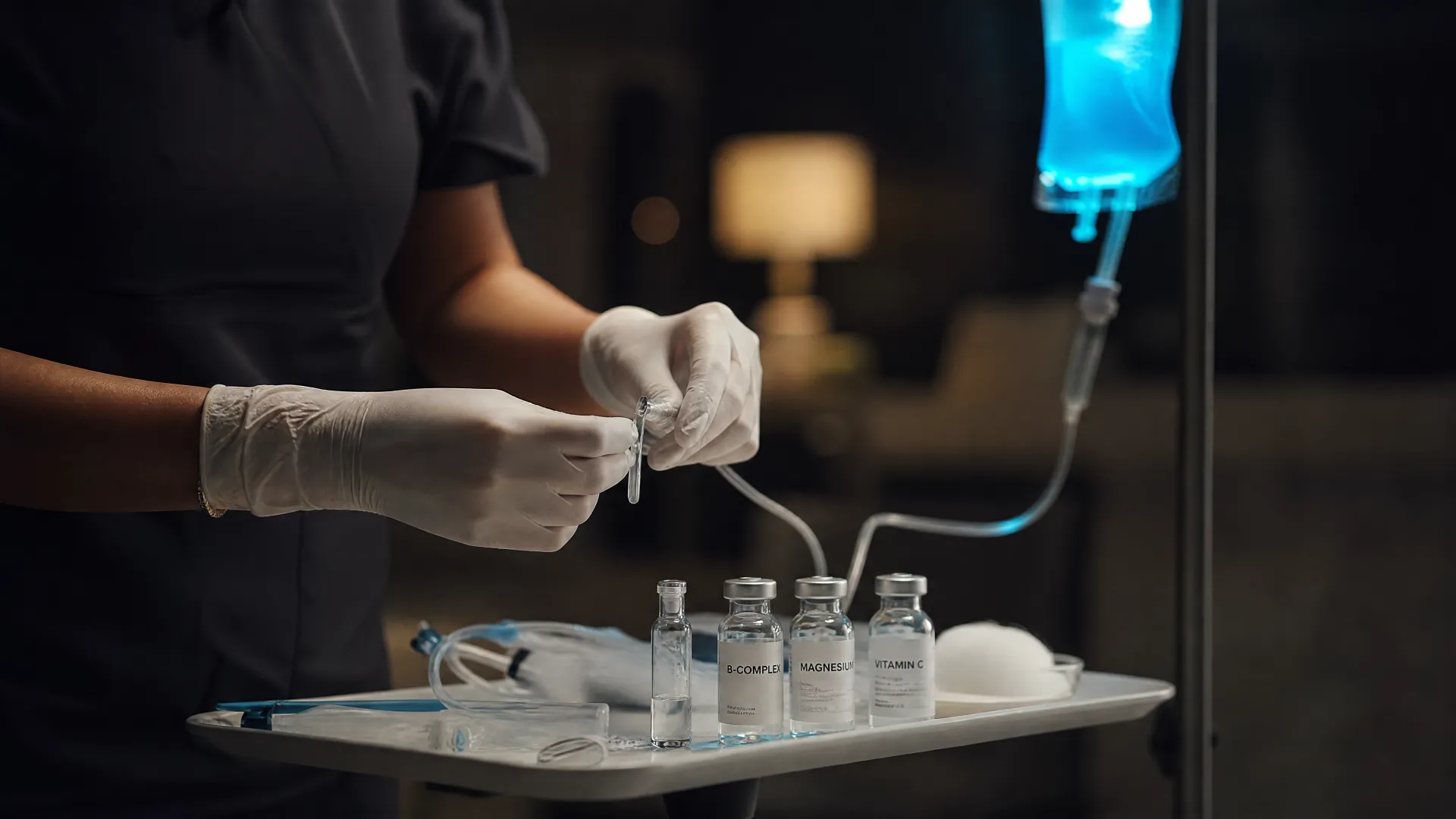
Here's step four at slow motion: the needle's only job is to guide a flexible plastic catheter — soft, bendable, thinner than a phone-charger wire — into the vein. The moment the catheter's in, the needle is withdrawn. Total metal-in-arm time: seconds. The pinch: one to two of those seconds, rated 2–3 out of 10 by the same first-timers who spent the prior week dreading it. Then 45 minutes in which the correct sensation is nothing — you can bend your arm, hold your phone, fall asleep. The session's entire physical cost is a toll booth two seconds wide, and everything after it is a nap with plumbing.
Making the two seconds smaller
The craft matters — experienced hands, unhurried placement, warning-before-touch — and so does your prep: hydrate (full veins are easy, one-stick targets), eat first (wooziness prevention), look away if you prefer, and say it's your first time — the walkthrough treatment is standard practice. If the fear runs deeper than curiosity — genuine needle phobia, not just squeamishness — the dedicated guide takes it seriously rather than cheerfully.
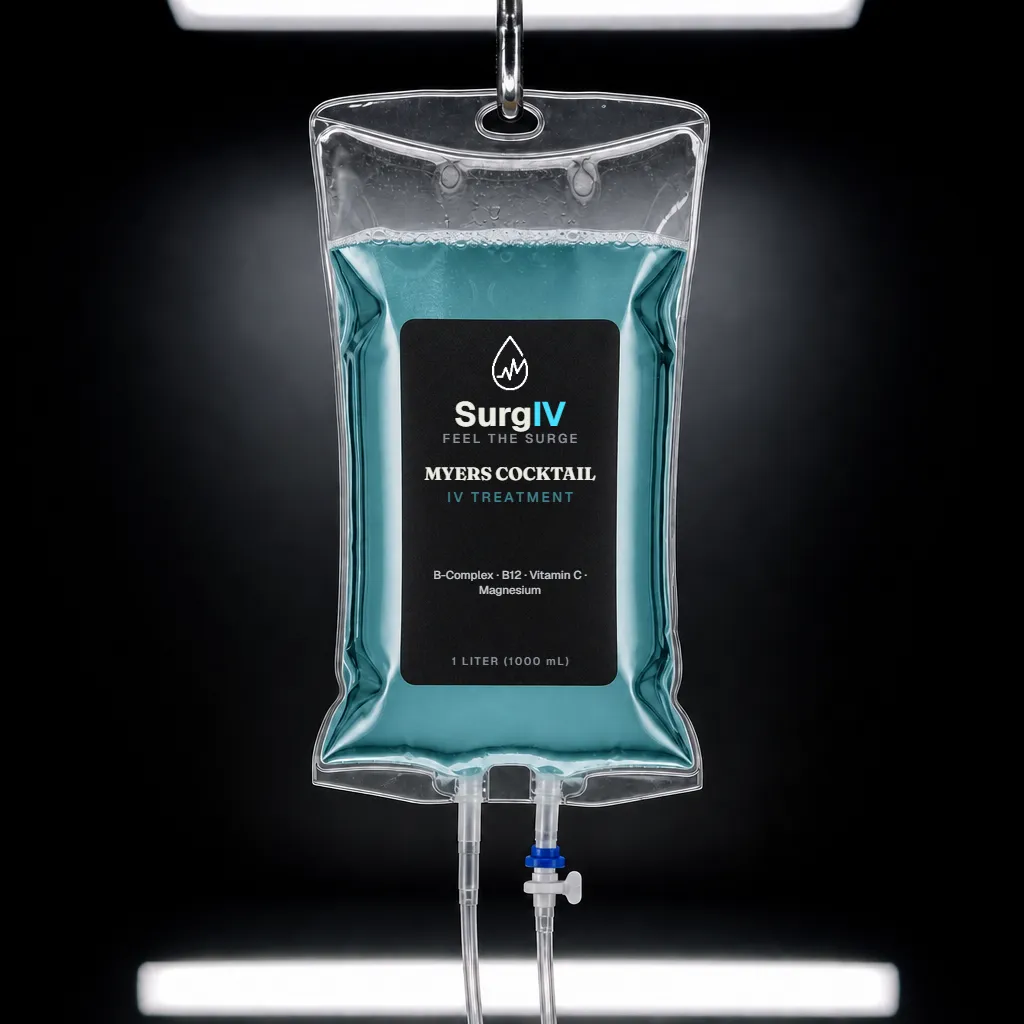
The gentle first session
Myers Cocktail $249
Small catheter, experienced hands, two honest seconds — then 45 minutes of nothing.
B-Complex · B12 · Vitamin C · Magnesium
Devon, post-toll
He booked, he looked away, he issued the verdict of every tattooed first-timer in the county's history: "That's IT? My sleeve took FORTY HOURS of needles. That was two seconds. The internet owes me a week of dread back." It does. Consider this page the refund: under a millimeter, out in seconds, 2-out-of-10, then nothing. The needle in your head is the only big one involved.
This article is for general education and is not medical advice. IV therapy at SurgIV is administered by registered nurses under physician-written protocols, with a health screening before your first visit. Talk to your doctor about what is right for you.