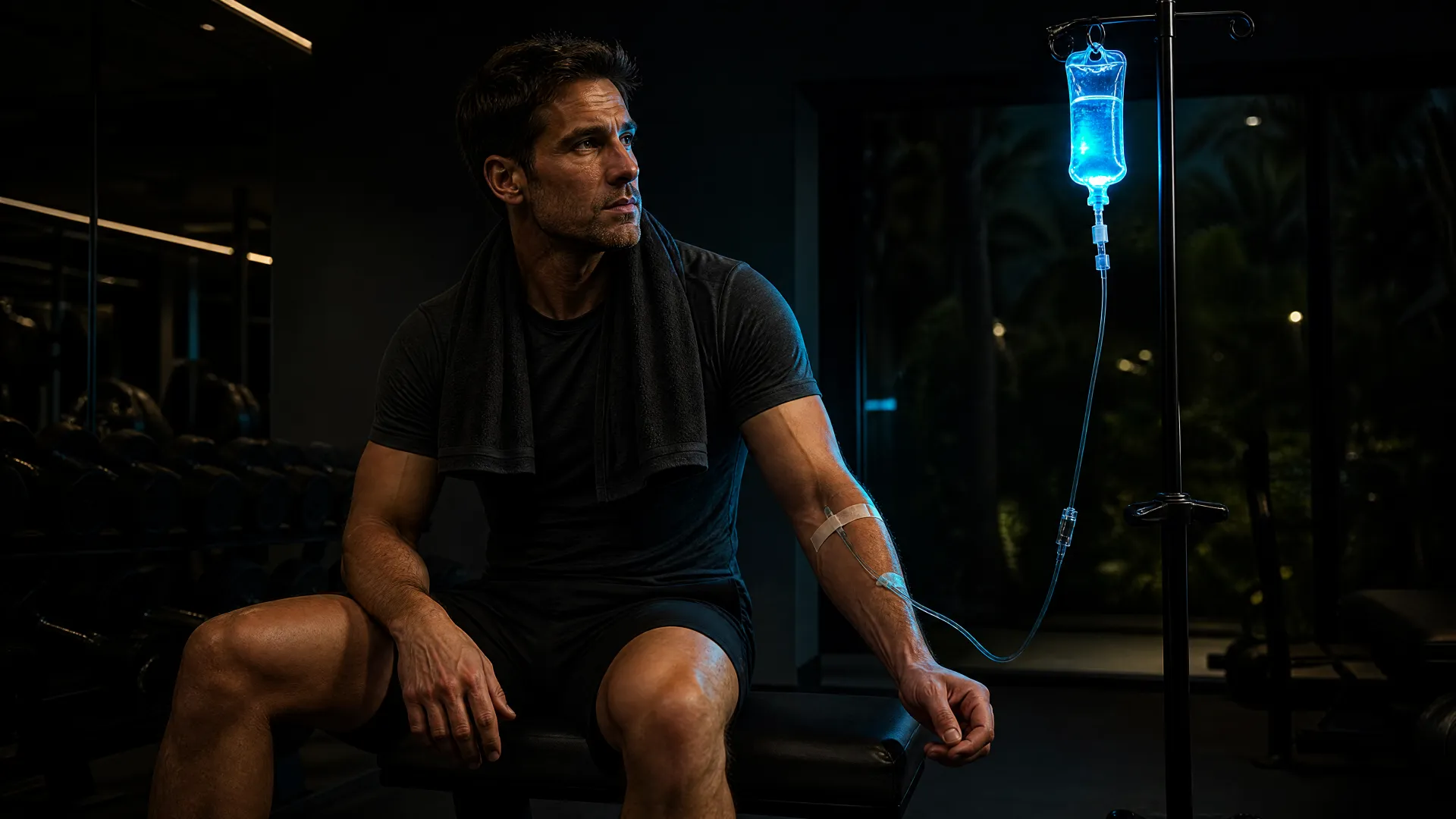
5:45 AM, a kitchen in Palm Beach Gardens, a laptop open to a race registration page. A man we'll call Victor — yes, the crackers Victor; the county's archetypes get around — is 46, hovering over the SUBMIT button for the Palm Beaches Marathon, conducting the internal hearing every mid-40s first-timer conducts: "Is this inspiring or is this a midlife cry for help? Are my knees consulted? Do I need to be one of those guys who talks about splits at parties?" His wife, passing with coffee, resolves the hearing: "Click it. You've been hovering for three days. But train like you're 46, not like you're 26 — those are different sports." She's right twice, and the second one is this entire article.
The good news the culture buries
First, the actual data, because the too-old narrative deserves demolition: masters runners dominate marathon fields — the 40+ cohorts are the sport's beating heart, first-timers over 40 finish at excellent rates, and endurance is the athletic quality that ages best. More: the marathon's real currencies — patience, pacing discipline, consistency, the willingness to run boring miles for months — are precisely the assets a 46-year-old holds and a 26-year-old is still acquiring. The race was practically designed for Victor's demographic. What changed at 46 isn't the feasibility. It's the recovery arithmetic — and every masters success or injury story is that arithmetic, honored or ignored.
The 26-year-old and the 46-year-old adapt to the same workout. They just adapt on different invoicing cycles — and the plan must bill accordingly.
Training like you're 46
The stimulus works identically at any age; the interval between stimuli is what stretched. The masters build, therefore: hard days farther apart (two quality sessions weekly, never consecutive — the classic over-40 injury comes not from running too hard but from recovering too little between); easy days genuinely easy (ego pace is the silent plan-killer); strength work twice weekly — the closest thing running has to an injury vaccine, and non-negotiable after 40; a deliberate down-week every third or fourth; and sleep guarded like the long run, because it's where every adaptation actually gets built. Florida adds the second opponent: summer training runs by effort, not pace, at dawn, with the humidity handicap priced in — and pays out the famous gift of a cool-December race day on heat-trained legs.
The recovery infrastructure
A first marathon over 40 is a six-month project, and projects get infrastructure: electrolyte repayment after every long run (the weekend 16-miler in August is a two-currency invoice), fueling that respects the build's calorie math, and — during peak mileage, when the legs stop bouncing back between quality days — the periodic full reset: fluids, minerals, B vitamins and amino support, the deficits cleared so the adaptation engine runs unobstructed. Then race week hands off to the recovery-week manual — the week that decides whether Victor finishes injured or hooked.
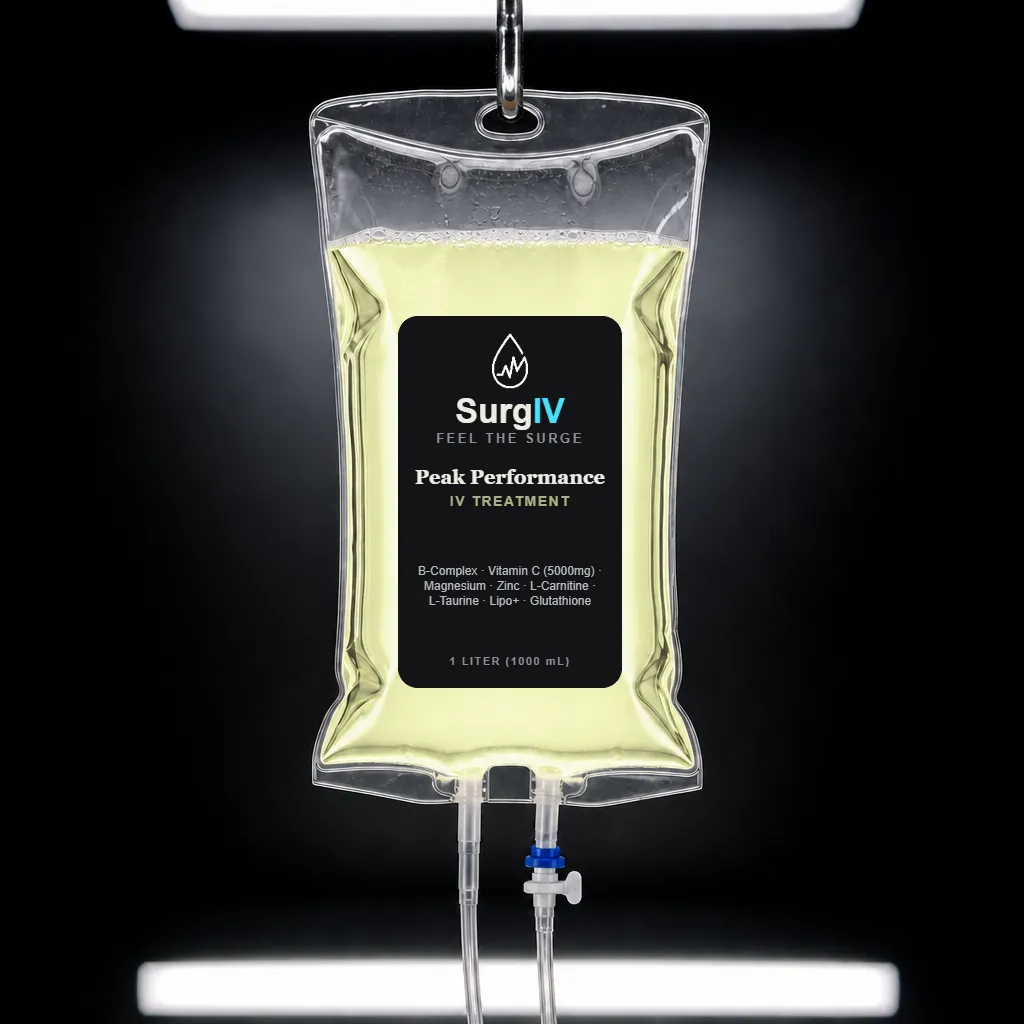
The masters build
Peak Performance $499
Training blocks over 40 run on recovery. Fund yours properly.
IV Bag: B-Complex · Vitamin C (5000mg) · Zinc · Magnesium · L-Carnitine · L-Taurine · Lipo+ + more
Victor, submitted
He clicked. Sixteen weeks, two quality days, Tuesday strength, dawn long runs, one peak-block drip per month. Race day, December, 61 degrees: 4:28, negative split, zero walking, one man at the finish openly weeping into a banana. He now talks about splits at parties, and his wife permits it. His advice to the next hoverer: "46 isn't too old for the marathon. It's too old for the 26-year-old's recovery plan. Different sports. Train the one you're in."
This article is for general education and is not medical advice. IV therapy at SurgIV is administered by registered nurses under physician-written protocols, with a health screening before your first visit. Talk to your doctor about what is right for you.